Nov 3, 2026
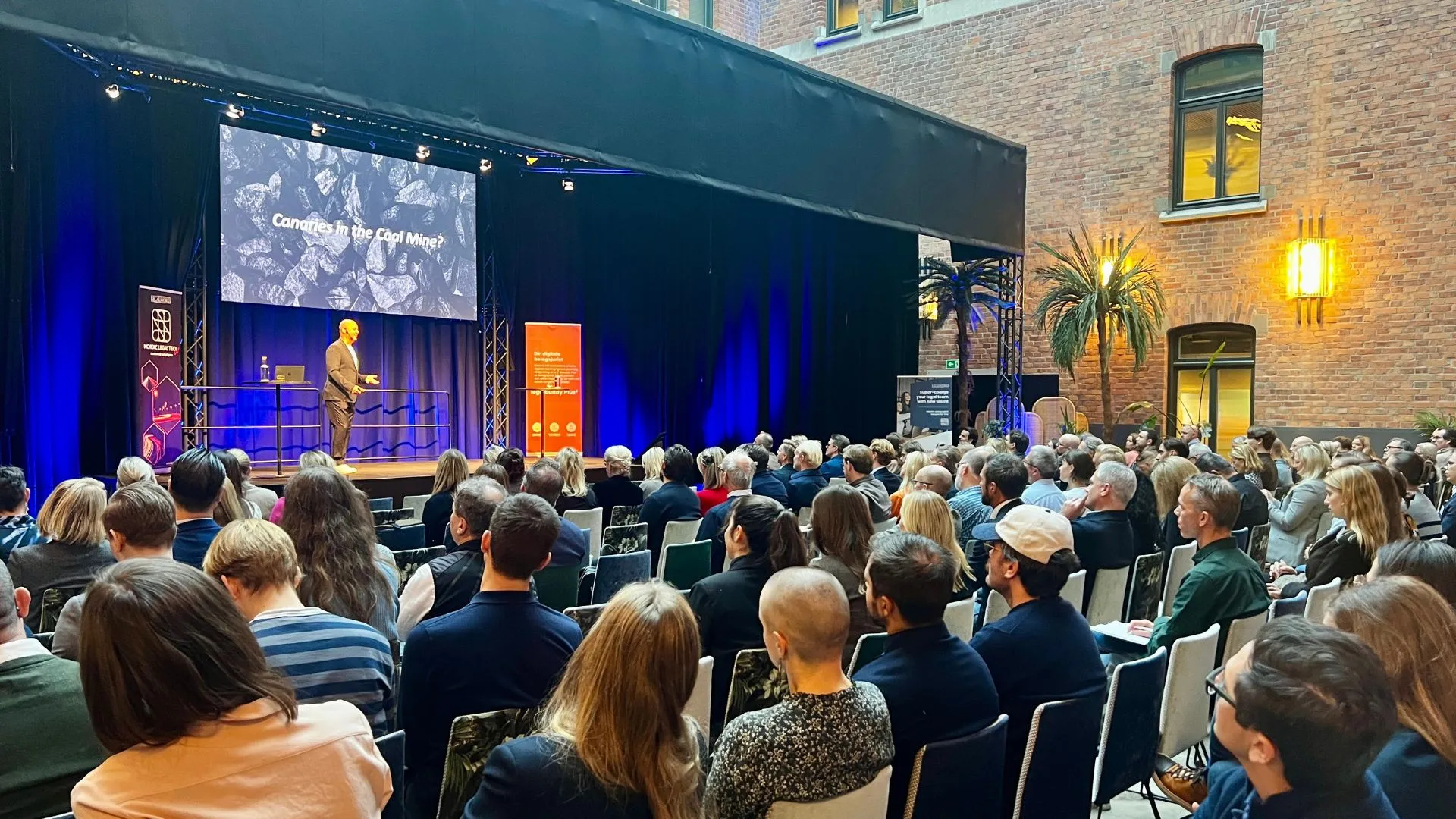
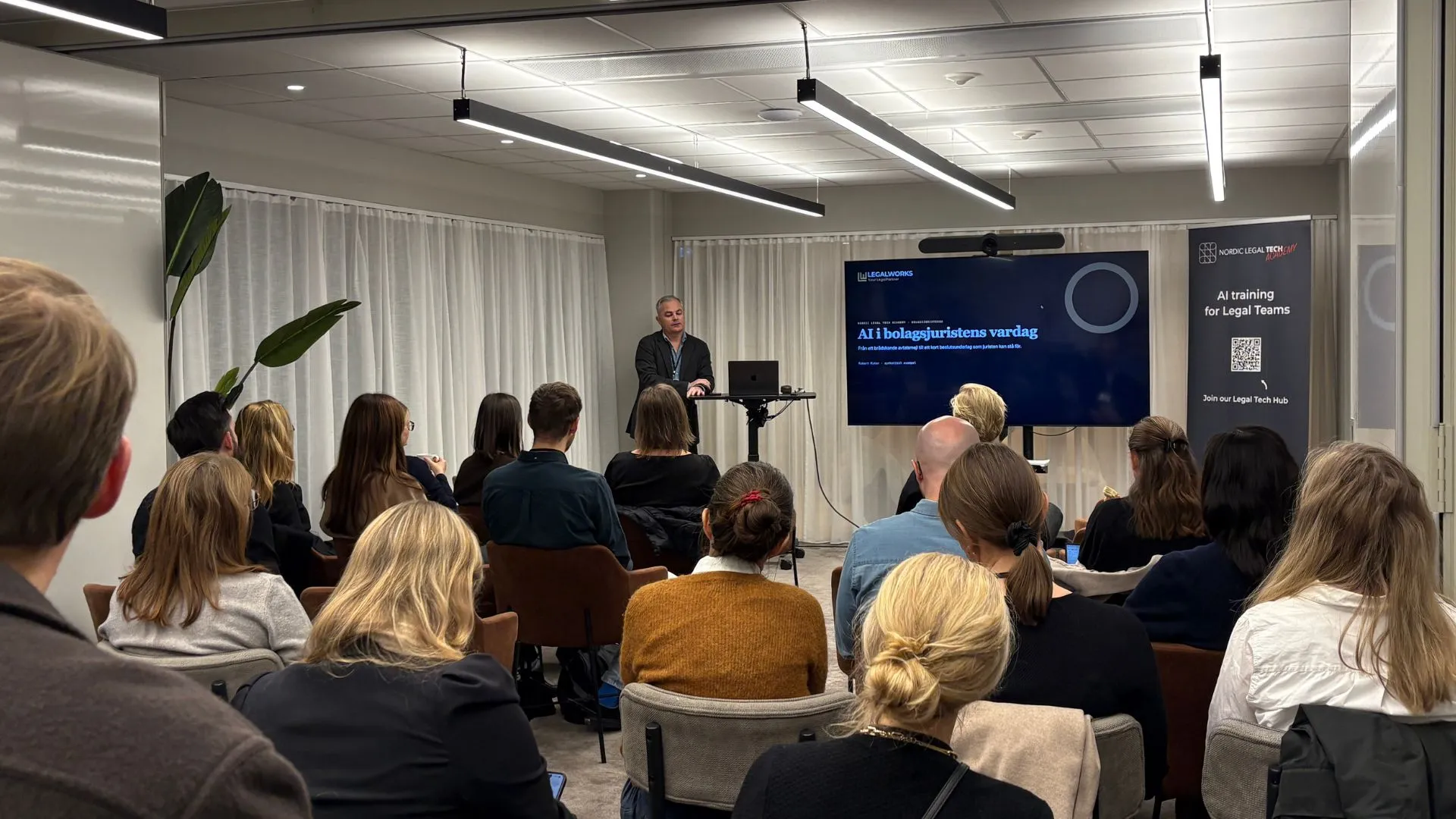
AI for in-house lawyers: lessons from four seminar sessions – and what comes nextFour seminars and strong demand


Your organisation needs data protection that works in day-to-day operations, not just on paper. LegalWorks’ data protection team combines deep legal expertise with hands-on in-house experience, supporting you from initial assessment through to full implementation.
Clients engage the team for ongoing legal support, structured compliance programmes, a DPO for hire, and qualified input on transactions, supervisory matters and other complex change projects. Data protection work is closely aligned with commercial, technology and security advice.

Advice on GDPR and other data protection laws, from discrete questions to complete compliance frameworks with policies, processes and routines that work in practice.
An external DPO function with clear reporting, follow-up and ongoing advice, or support for your internal DPO.
Reviews of your data protection programme and GDPR compliance, plus risk-focused due diligence in corporate transactions.
Tailored training for management, specialists, DPOs and staff, delivered as workshops, classroom training or e-learning, including DP Academy in cooperation with Forum för Dataskydd.
Governance documents, records of processing, DPIA methodology, templates and routines that last over time.
Mapping of AI systems, risk classification and advice on the AI Act’s requirements for providers and deployers of AI.
A structured approach reduces the risk of supervisory action, incidents and data breaches, and makes it easier to prioritise remediation in change projects and M&A.
Clear guidance frees internal resources and lets business and IT teams move faster within a defined risk appetite. Data protection becomes part of operations rather than a blocker.
Mature data protection strengthens trust with customers, employees, authorities and business partners, and is increasingly a requirement in procurements and strategic collaborations.
Focus on your business model, data flows and actual exposure, not theoretical scenarios.
Lawyers and IT specialists work together, so legal requirements and technical solutions align and are realistic to implement and maintain.
Responsibilities are anchored with the right people, and documentation and processes are built for your organisation to own and develop.


Book a free consultation with one of our expert lawyers within the field and get quick, clear guidance on your case. Pick a time that works for you and let’s get started.


Nov 3, 2026
AI for in-house lawyers: lessons from four seminar sessions – and what comes nextFour seminars and strong demand
Comprehensive suite of services designed to help organizations navigate complex advocacy landscapes and achieve their goals.
We help in-house legal teams work smarter: clear processes, the right tools, effective use of AI, and a team built to deliver business value.

Contract templates, e-signing, contract management and access to experienced lawyers in one service, for a fixed monthly fee.

Experienced in-house lawyers on an interim basis, for companies of every size, from scale-ups to global corporations.

Experienced business lawyers for startups, mid-sized companies and global corporations. Contracts, corporate law, M&A, GDPR and employment law at predictable fees.

The leading Legal Tech event in the Nordics.